There is a point in most change programmes that everyone recognises but nobody names. Things improve, then stop improving. Not dramatically — meetings still happen, work items still move across the board and people still use the vocabulary. But the curve flattens at a level unrelated to how hard the team is working.
In my experience, it flattens at the level of the person leading the change.
Why the ceiling sits there
A team can build only the habits its environment tolerates. If people are punished for raising problems, they stop raising them — not out of cowardice, but out of arithmetic. If a manager reliably solves every problem raised in a stand-up, the team correctly learns that raising a problem gets it solved by somebody else. Nobody decides this; it is simply what the system rewards.
A leader who is exhausted by firefighting is therefore often the reason there are fires to fight. This is rarely because they are careless; usually, the opposite is true. They are fast, capable and committed. Every time they step in and fix something, they teach the organisation to expect them to step in.
You want everyone you lead to change. Fine. But while you keep running to every fire, when are your people supposed to learn to own their problems?
Two different causes, two different conversations
When I meet a leader in permanent firefighting mode, I usually find one of two underlying patterns. They require entirely different approaches.
The first is inherited. The leader came from an organisation that genuinely ran on heroics and brought the pattern with them because it worked there. This pattern is easier to change. Mapping the system helps them see that the new organisation operates differently.
The second is more closely tied to identity: some version of “If I am not the person who catches everything, what am I for?” A process diagram will not resolve it. It is rooted in over-responsibility, the discomfort of watching someone else do something less well than you would, and the relief of being needed. It is legitimate work, but it is not systems work.
This is why I do not separate diagnosis from coaching. You can map the flow of work perfectly and still fail to change anything because the constraint is not in the flow. You can also coach the person effectively while they return each week to a structure that undermines every change you agreed to. Both forms of work need to happen in the same room, usually in the same conversation.
The theory problem
The most reliable predictor that nothing will change, in my experience, is a leadership team that already knows the theory perfectly.
“Yes, we know how this is supposed to work.” They have read the books. They can define the terms better than I can, yet the way they work has not changed in three years. Knowing is not a step on the path to doing; it is often a substitute for it, and a comfortable one, because it feels like progress and costs nothing.
What breaks that pattern is not more explanation. It is one small change, made this week by the person at the top, that everyone can see.
What moving the ceiling looks like
It is rarely a transformation. It is usually one carefully chosen habit, sustained long enough to be believed.
- The manager does not solve the problem raised in the stand-up. It is returned to the team, with support and a deadline.
- For once, the escalation that arrives at 7 p.m. is deliberately left until morning.
- The leader says in front of the team what they got wrong — and nothing bad happens.
Small, visible, repeated actions raise the ceiling. They have to come from the leader whose behaviour creates it.
None of this works unless the leader has decided that they want the change. That is why I ask before accepting a contract: are you ready to examine your own part in this? If the answer is that the team needs fixing and the leadership layer is out of scope, we stop there — politely, but firmly.
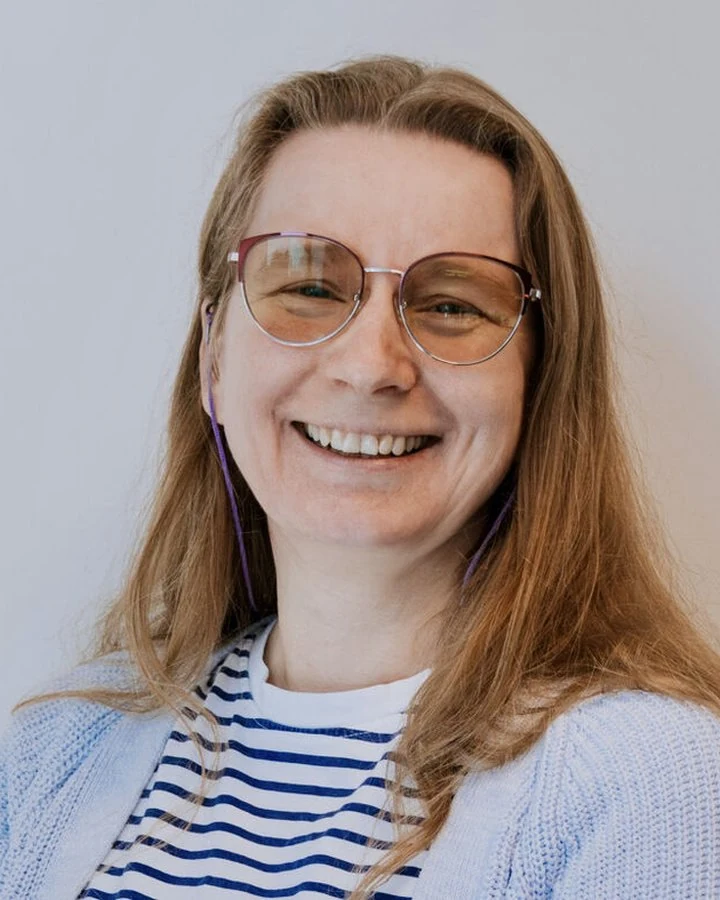
Katarzyna Sikora-SmetsSystems diagnosis and coaching for leaders stuck in firefighting mode. Twenty years inside change programmes in logistics, brewing, banking and automotive. Based in Belgium, working in Polish, English and Dutch. Book a 30-minute call.